Oilfield Waste
Waste Oil, Filters, Plastics and Glycol: Getting Collection Right
What an approved collector will and will not take, why mixing streams is the expensive mistake, and how to set up a lease so collection is straightforward.

Guides
Waste oil and filter collection, oilfield solids and slurry handling, tank storage, secondary containment, and how to choose a receiving facility.
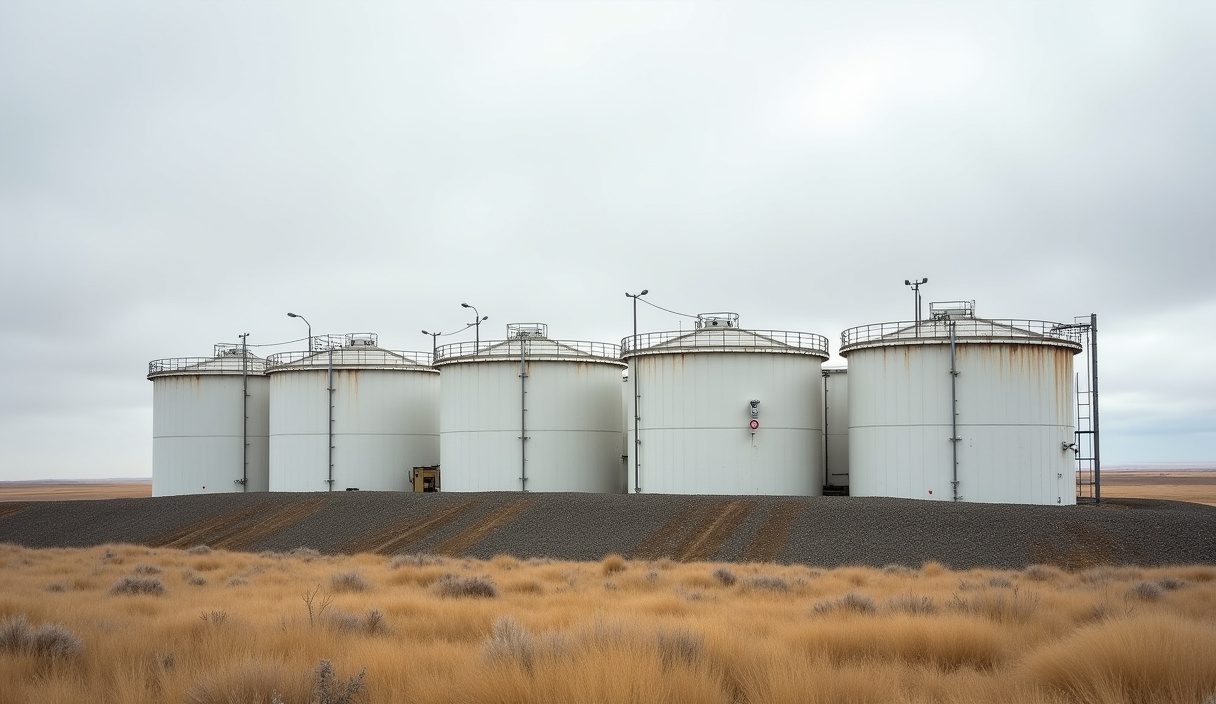
Water is the biggest waste stream but it is not the only one. A producing property generates waste oil, used filters, contaminated plastics, glycol from dehydration units, tank bottoms, and a steady trickle of solids and slurry that has to go somewhere. Each of these has its own handling path, its own receiving requirements, and its own way of going wrong.
This section covers the material that is not water, plus the storage infrastructure that holds everything before it moves.
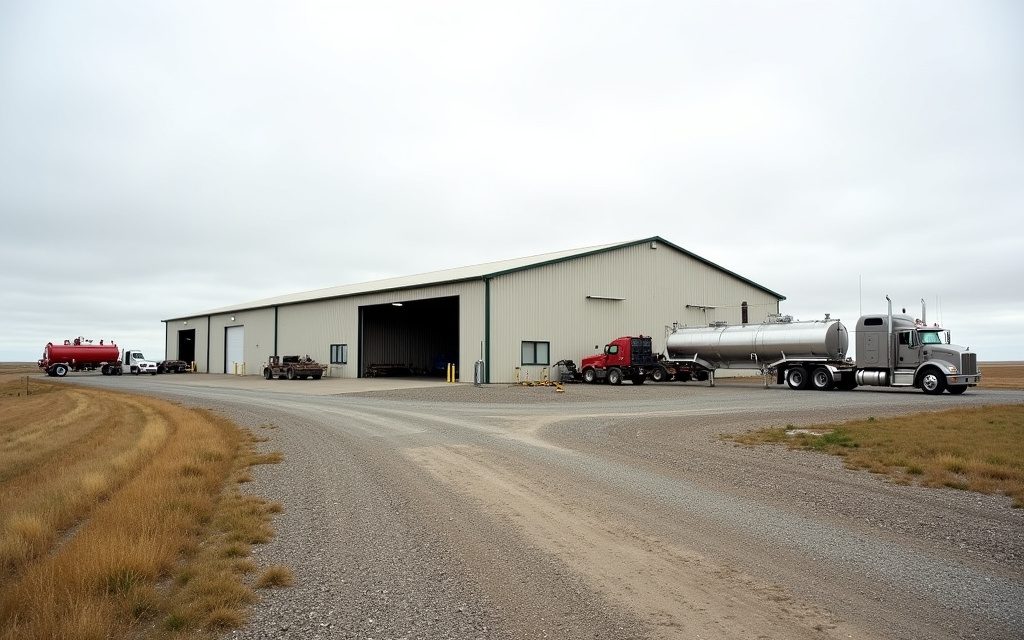
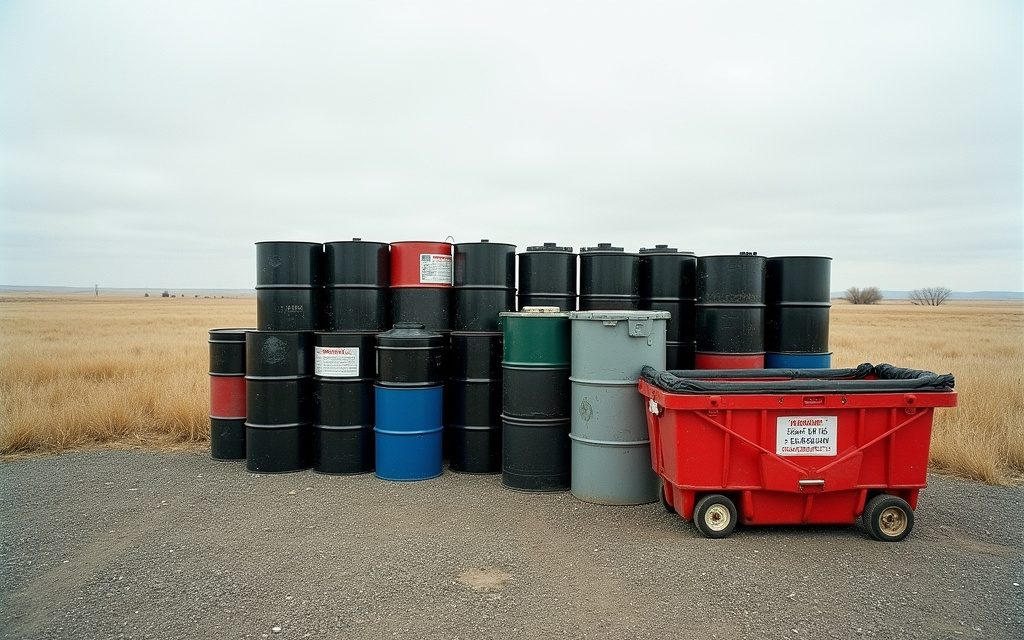
The waste oil collection guide covers what an approved collector will and will not take, how oil, filters, plastics and glycol are handled differently, and why segregation at the lease saves money and argument later.
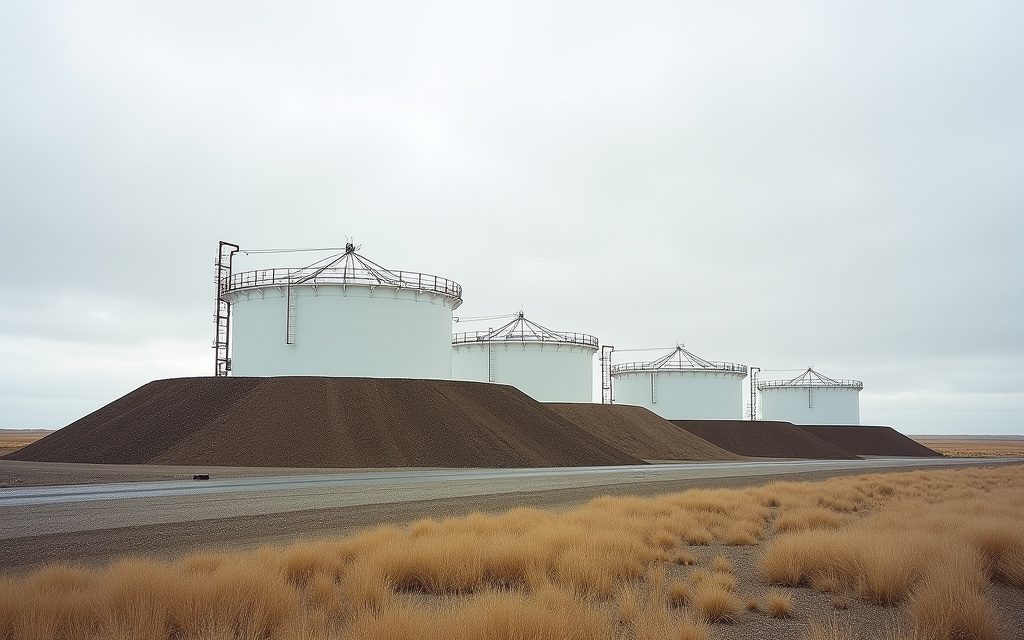
The tank storage guide covers the storage side: tank types, the purpose and sizing of secondary containment, liner and berm expectations, and the inspection routine that catches problems before they become reportable releases.
The facility selection guide is the practical one. It sets out what to verify before sending a first load somewhere: approval status and class, what the facility is actually licensed to receive, turnaround and hours, how they handle rejected loads, and the paperwork you should expect back.
If there is one thread running through this section, it is that keeping waste streams separate is nearly always cheaper than mixing them. A clean load of waste oil has value. The same oil mixed with solvent or an unknown chemical becomes a problem load that a facility may reject outright, and a rejected load still has to be trucked somewhere.
What an approved collector will and will not take, why mixing streams is the expensive mistake, and how to set up a lease so collection is straightforward.
Tank types, how containment is sized and built, and the walk-around inspection that catches the problems that turn into reportable releases.
Approval class, what they will actually accept, turnaround, how rejections are handled, and the documentation you should expect back with every load.