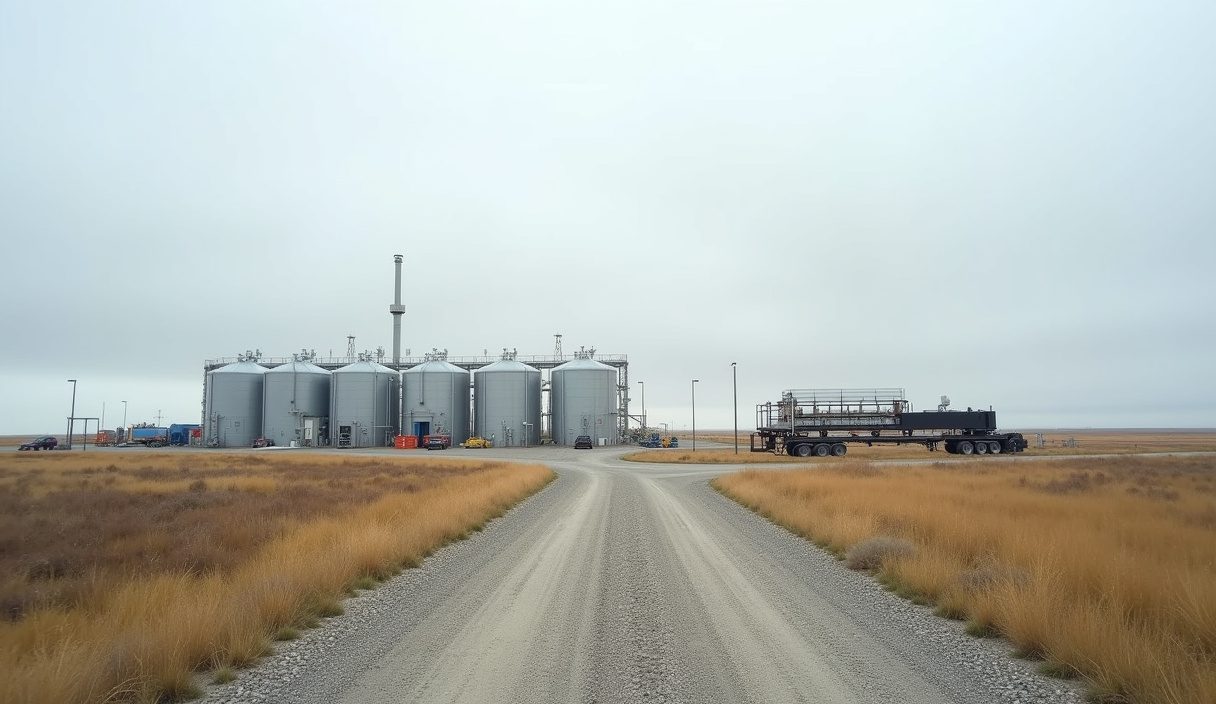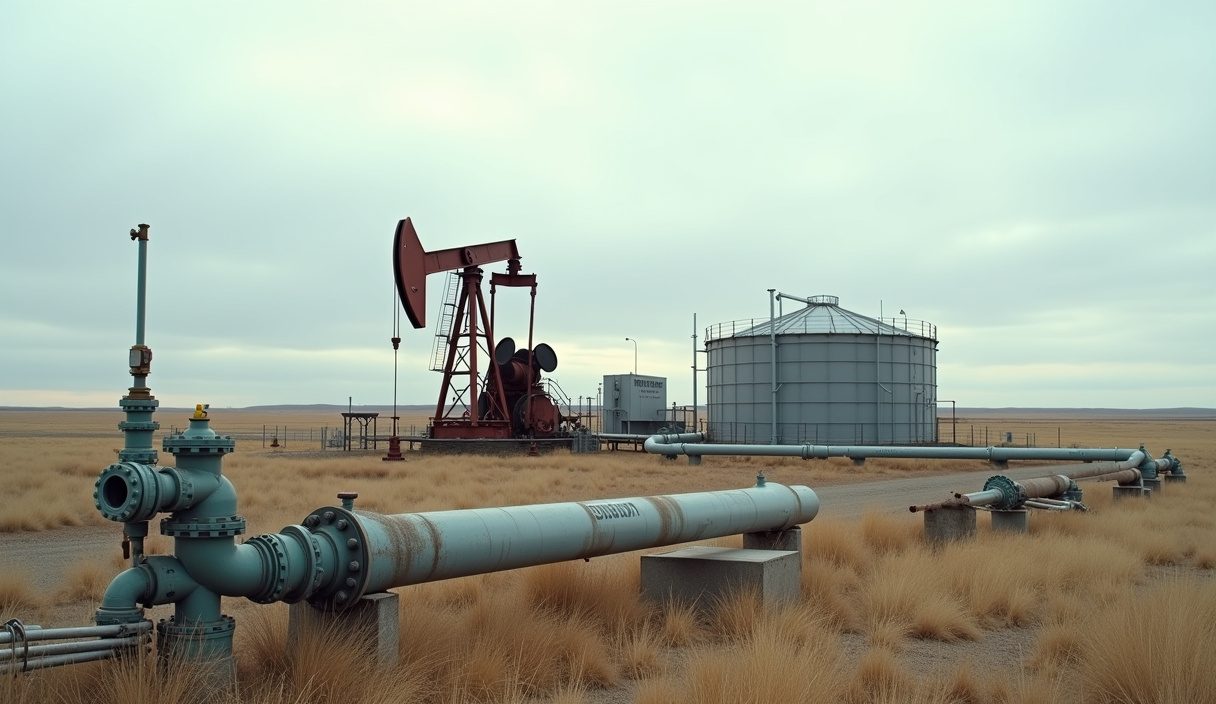
Produced Water
What Is Produced Water, and Why Can't It Just Be Released?
Where the water comes up from, what is dissolved in it, and the specific reasons it cannot be put on the ground or into a creek.

Taber Water Disposal
Every guide we have published on produced water, disposal and injection wells, oilfield waste handling and the Alberta regulatory framework that governs them.
This library is written for people who work around produced water rather than for a general audience: field operators, lease hands, small producers, landowners with a well on their quarter, and anyone trying to understand what happens to the water that comes up a wellbore alongside the oil. The guides are long because the subject rewards detail, and because most of what is online about it is either a vendor brochure or a regulatory document written for specialists.
If you are new to the subject, start with what produced water actually is, which covers where the volume comes from and why it cannot simply be discharged. From there, disposal wells explains where most of it ends up, and the Alberta regulatory guide covers the requirements that govern the whole chain.
Where the water comes up from, what is dissolved in it, and the specific reasons it cannot be put on the ground or into a creek.
Water-oil ratios over a well's life, how disposal pricing is actually structured, and the point at which water handling ends a well's economic life.
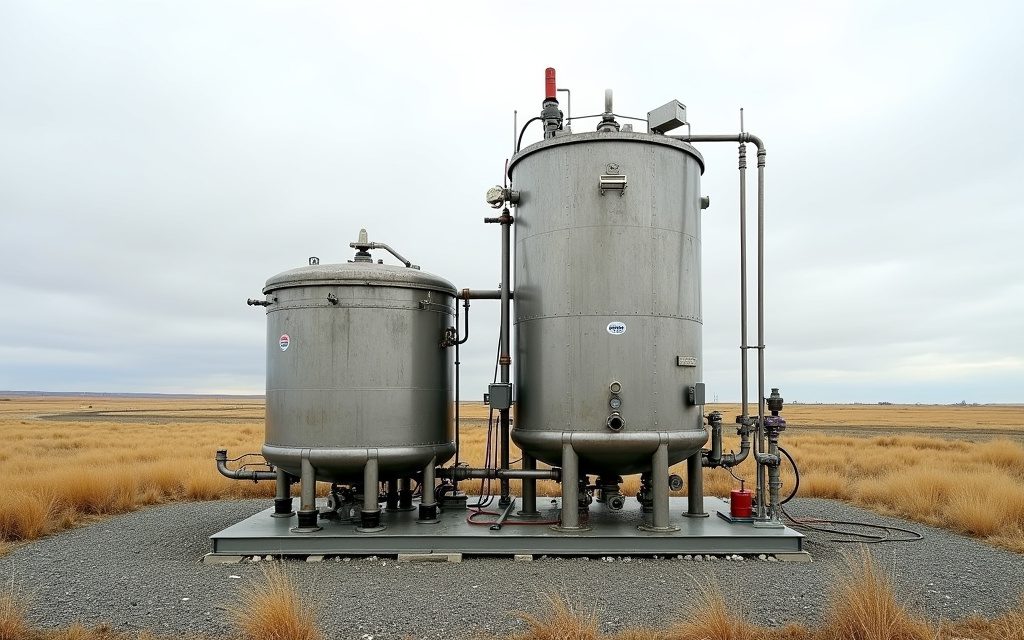
Separation, skimming, flotation, filtration and chemical treatment: what gets installed on real leases, and which technologies get talked about more than they get built.
What the well classes mean, what each may legally receive, and why the class printed on a facility's approval decides whether your load gets taken.
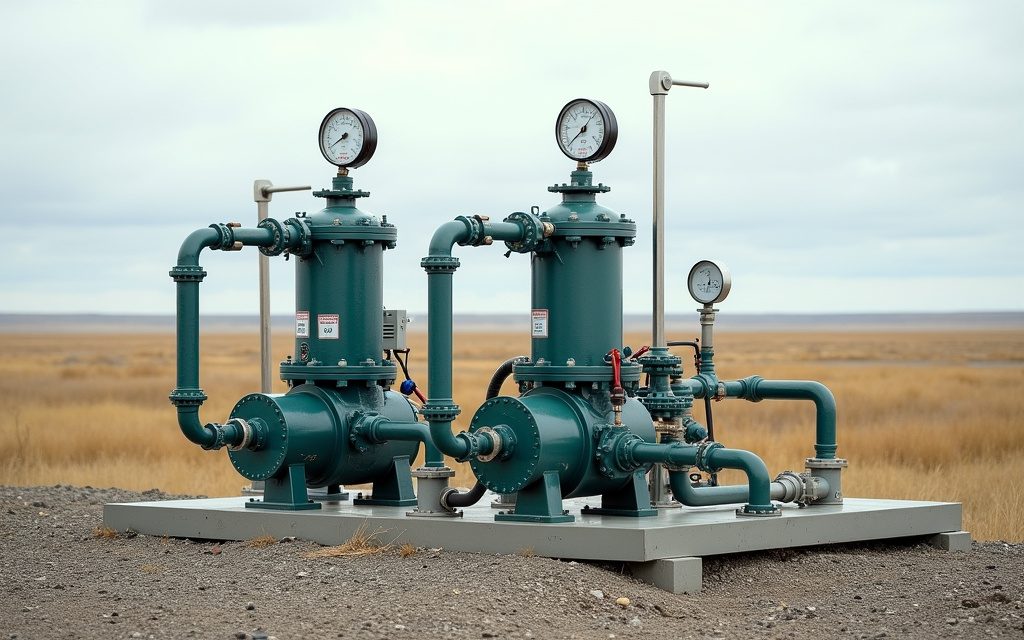
Both push water down a wellbore. One is sweeping oil toward a producer, the other is getting rid of a waste stream, and they are licensed and reported differently.
Which directives apply to what, how the paperwork chain works from manifest to injection record, and where operators most often come unstuck.
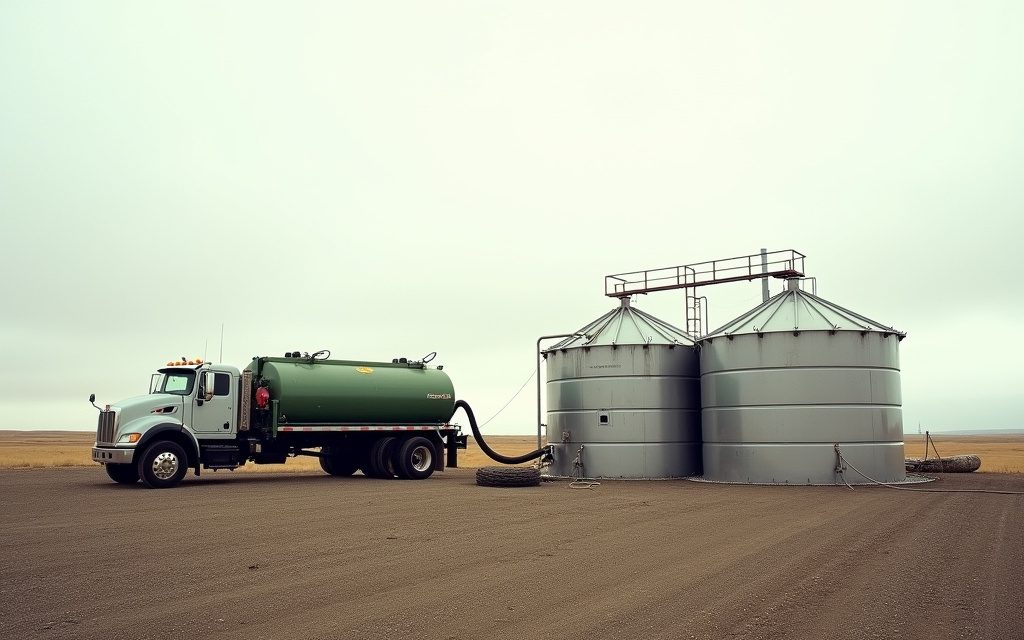
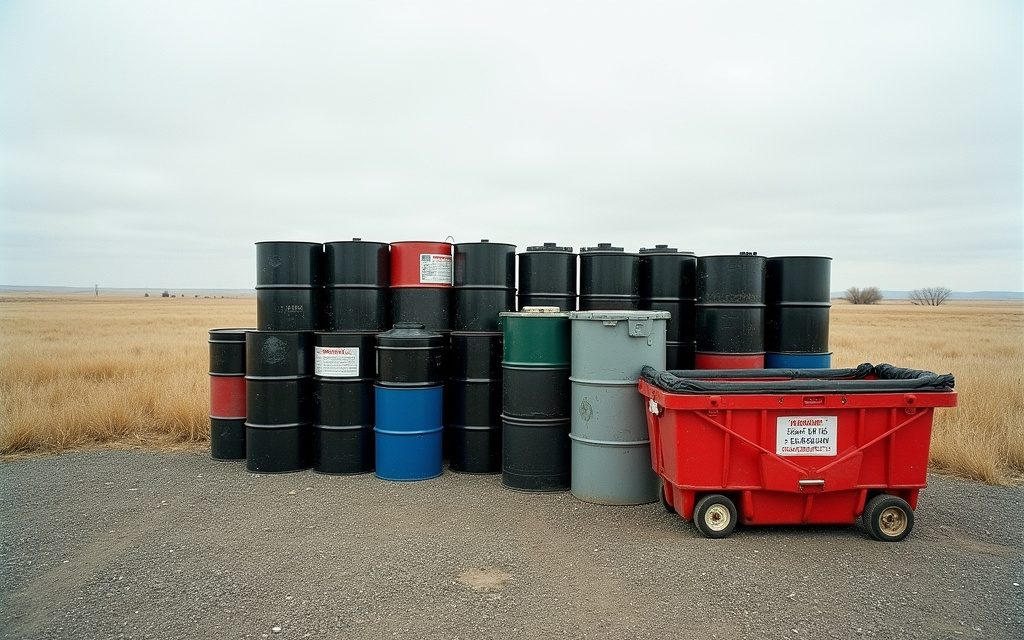
What an approved collector will and will not take, why mixing streams is the expensive mistake, and how to set up a lease so collection is straightforward.
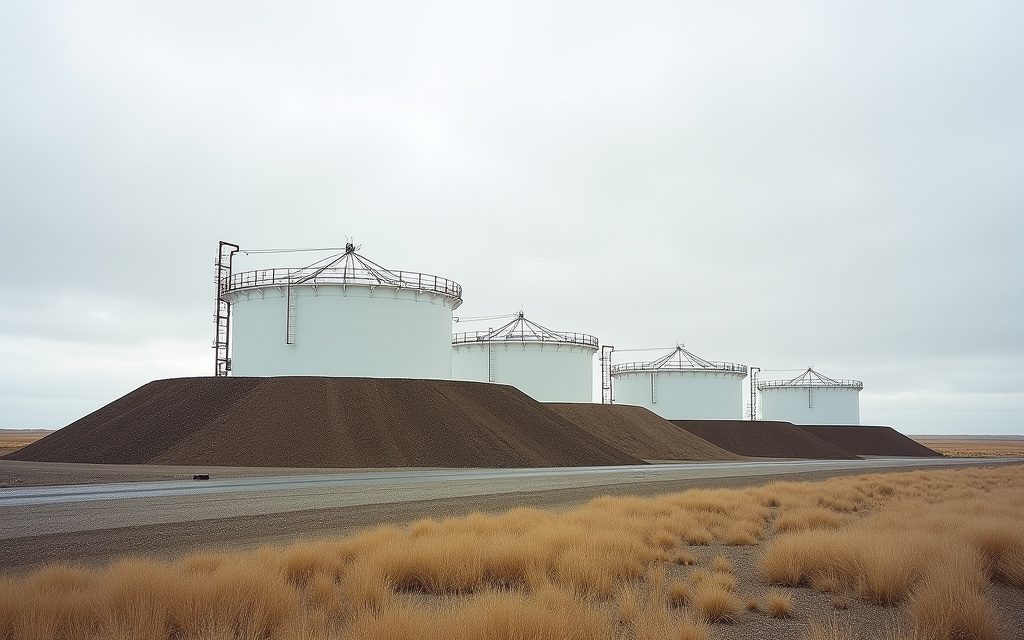
Tank types, how containment is sized and built, and the walk-around inspection that catches the problems that turn into reportable releases.
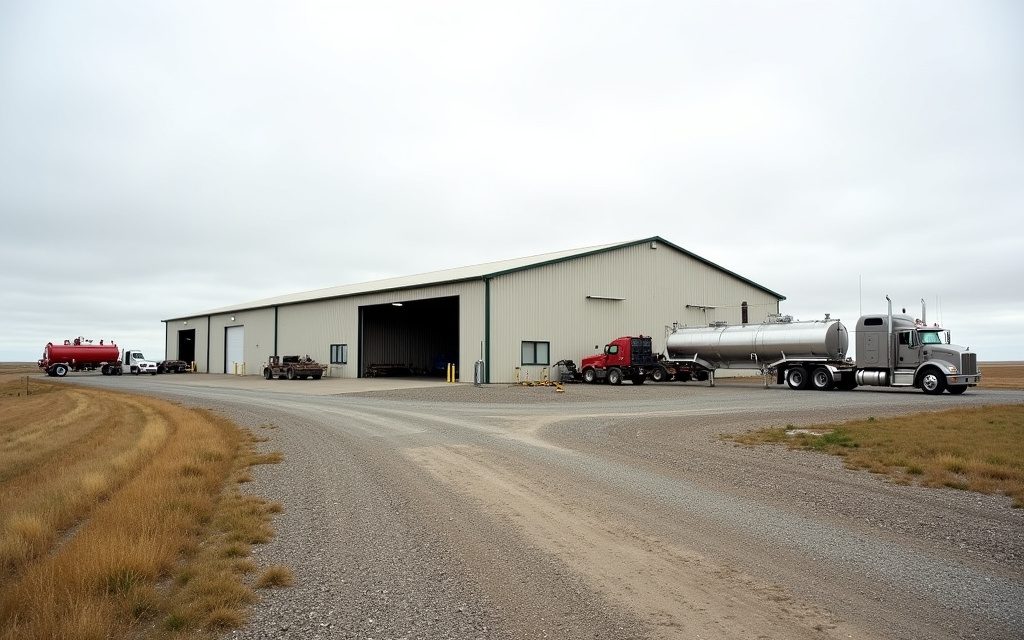
Approval class, what they will actually accept, turnaround, how rejections are handled, and the documentation you should expect back with every load.