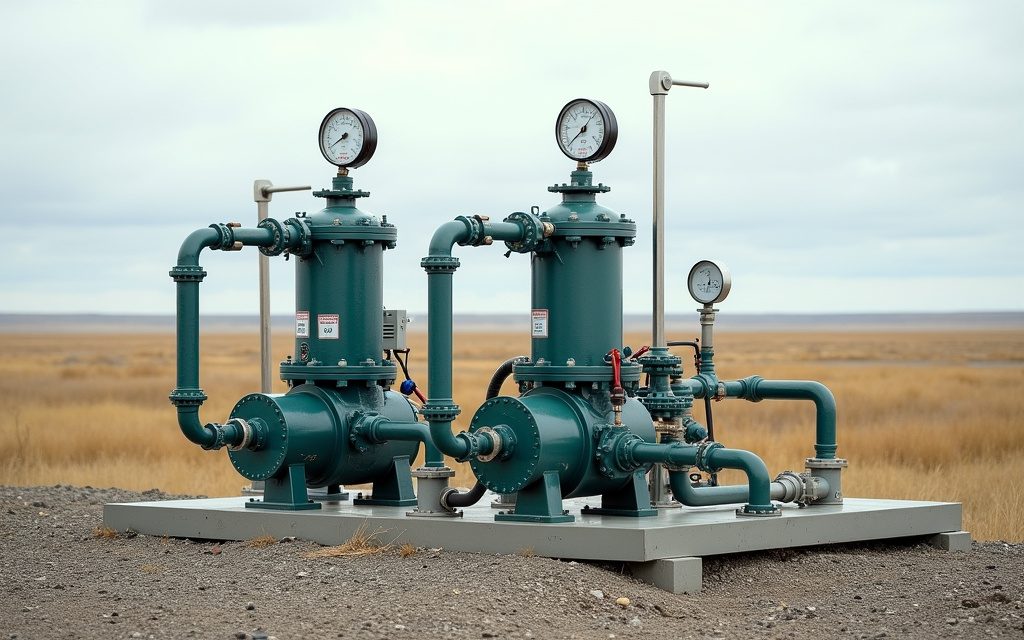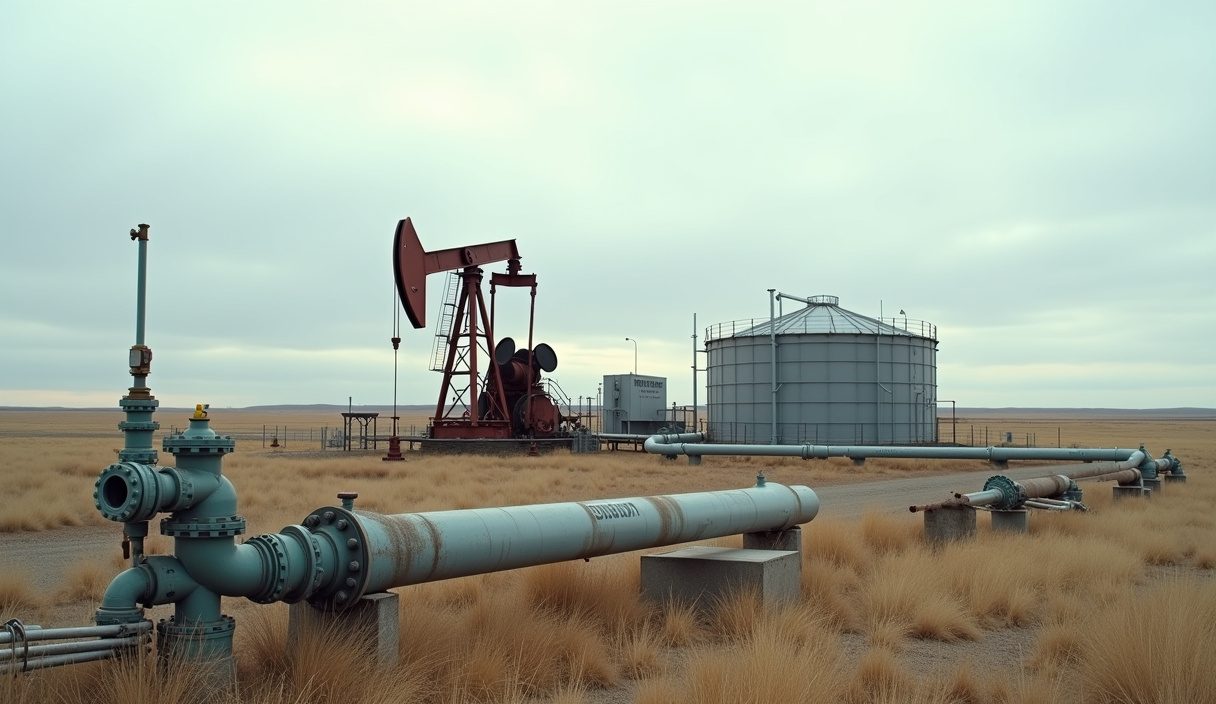
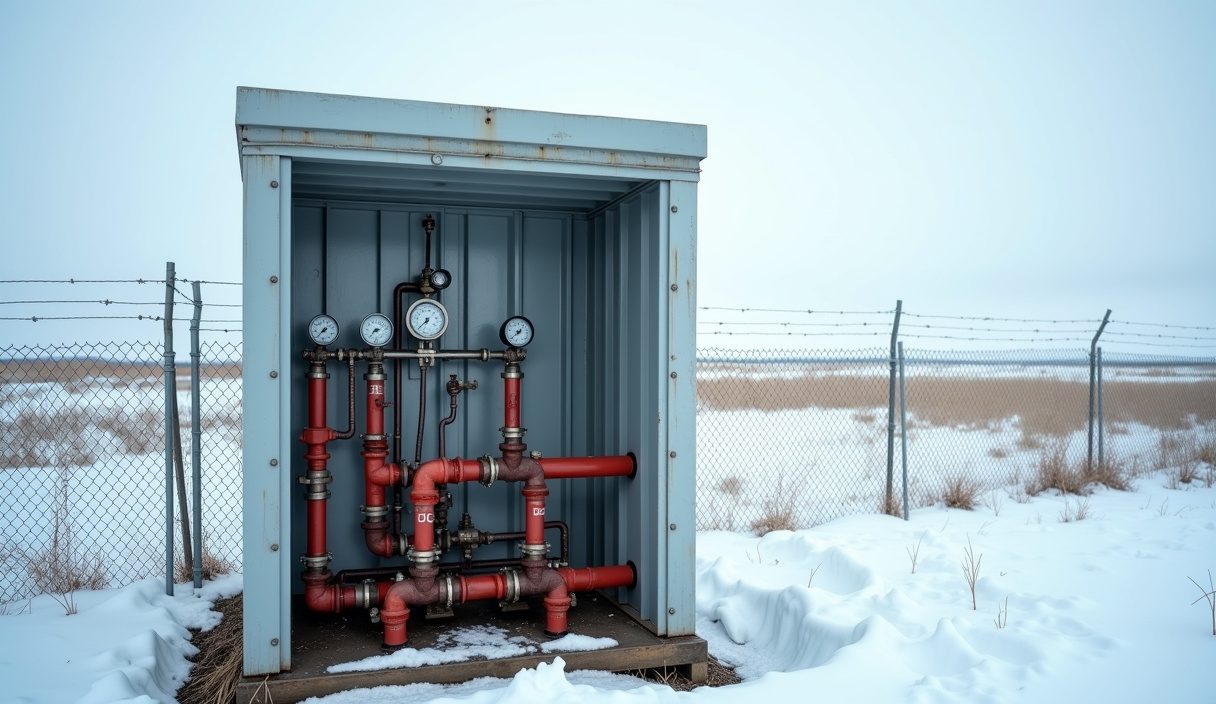
Disposal Wells
Disposal Well Classes in Alberta, and Why They Matter at the Gate
What the well classes mean, what each may legally receive, and why the class printed on a facility's approval decides whether your load gets taken.

Which directives apply to what, how the paperwork chain works from manifest to injection record, and where operators most often come unstuck.
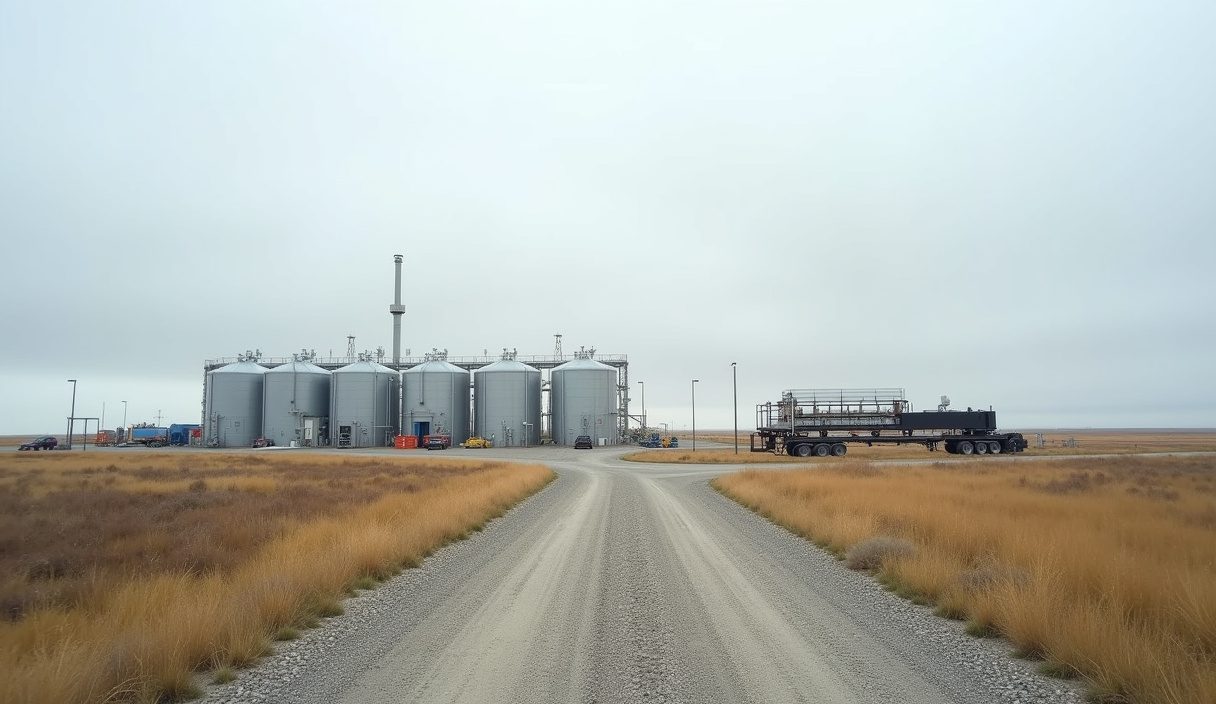
Oilfield water disposal in Alberta is regulated end to end: from the moment fluid is classified as waste, through storage, transport and receiving, to the injection record filed afterwards. This guide is an orientation to that framework — what governs what, and where the obligations sit.
This is not a compliance document. AER directives are revised regularly and the detail matters. Everything below is a starting point for understanding the structure; verify any specific requirement against the current directive, and take professional advice for compliance decisions. Neither author is a lawyer or a professional engineer.
The Alberta Energy Regulator (AER) is the principal regulator for upstream oil and gas, including disposal wells and oilfield waste management. It issues directives, grants licences and approvals, conducts inspections and enforces.
Other bodies touch the chain. Transport of dangerous goods is federal and provincial transport law rather than AER. Occupational health and safety obligations on a lease sit with Alberta OHS. Municipal authorities have a role in land use and road use. Where a release affects water, Alberta Environment and Protected Areas may become involved. The AER is the centre of gravity but it is not the whole picture.
Directive 051 addresses injection and disposal wells: classification, completion, logging and testing requirements. If your question is about how a disposal well must be built, what class it is, or how its integrity must be demonstrated, this is the document.
Directive 058 addresses oilfield waste management requirements for the upstream petroleum industry. If your question is about how waste is classified, what a receiving facility must do, manifesting, or the obligations of a waste generator, this is the document.
Other directives bear on adjacent parts of the chain, including those dealing with facility licensing, measurement and reporting, and release reporting. Which ones apply depends on what you operate.
The framework is built so that a volume of waste can be traced from where it was generated to where it ended up. In outline:
The generator's responsibility does not simply end when the truck leaves the lease. Knowing what you handed over, and to a facility approved to take it, is part of the obligation.
The recurring theme across the whole framework is containment, because the consequences of losing it are slow and expensive to reverse.
At the well, that means casing and cement isolating the injection zone, verified by logging; injection through tubing and packer rather than against casing; a monitorable annulus; periodic mechanical integrity testing; and injection pressure held below the level that would fracture the formation.
At surface, it means tanks and vessels with secondary containment sized and constructed to hold a credible release, liners where required, and an inspection routine that catches deterioration early. Our tank storage guide covers the surface side in more detail.
Releases must be reported, and the thresholds and timelines are specified rather than left to judgement. The practical advice from everyone who has been through it is the same: report early, report accurately, and do not wait until you have worked out the full extent. An operator who reports promptly and manages the response competently is in a very different position from one who is found to have delayed.
Keep the records contemporaneous. Reconstructing what happened from memory six weeks later is both harder and less credible.
From the AER directly. Do not work from a copy saved on a shared drive years ago, and do not rely on a summary on a website, including this one, for a compliance decision.
Broadly yes. The framework scales in practice rather than in principle: a small operator has the same obligations to characterise waste, use approved facilities and report releases. What varies is the infrastructure involved, not whether the rules apply.
Surface rights, compensation and access are dealt with through surface lease agreements and, where agreement is not reached, the Land and Property Rights Tribunal. If you have concerns about how a facility on your land is being operated, the AER takes complaints. This site cannot advise on your individual situation.
Often enough that it is worth checking rather than assuming. Directives are amended and reissued periodically, and bulletins are issued between revisions. If you operate disposal infrastructure, someone in your organisation should be watching for them.
What the well classes mean, what each may legally receive, and why the class printed on a facility's approval decides whether your load gets taken.
Both push water down a wellbore. One is sweeping oil toward a producer, the other is getting rid of a waste stream, and they are licensed and reported differently.
Where the water comes up from, what is dissolved in it, and the specific reasons it cannot be put on the ground or into a creek.