Disposal Wells
Water Injection Versus Disposal: Two Different Jobs
Both push water down a wellbore. One is sweeping oil toward a producer, the other is getting rid of a waste stream, and they are licensed and reported differently.

What the well classes mean, what each may legally receive, and why the class printed on a facility's approval decides whether your load gets taken.
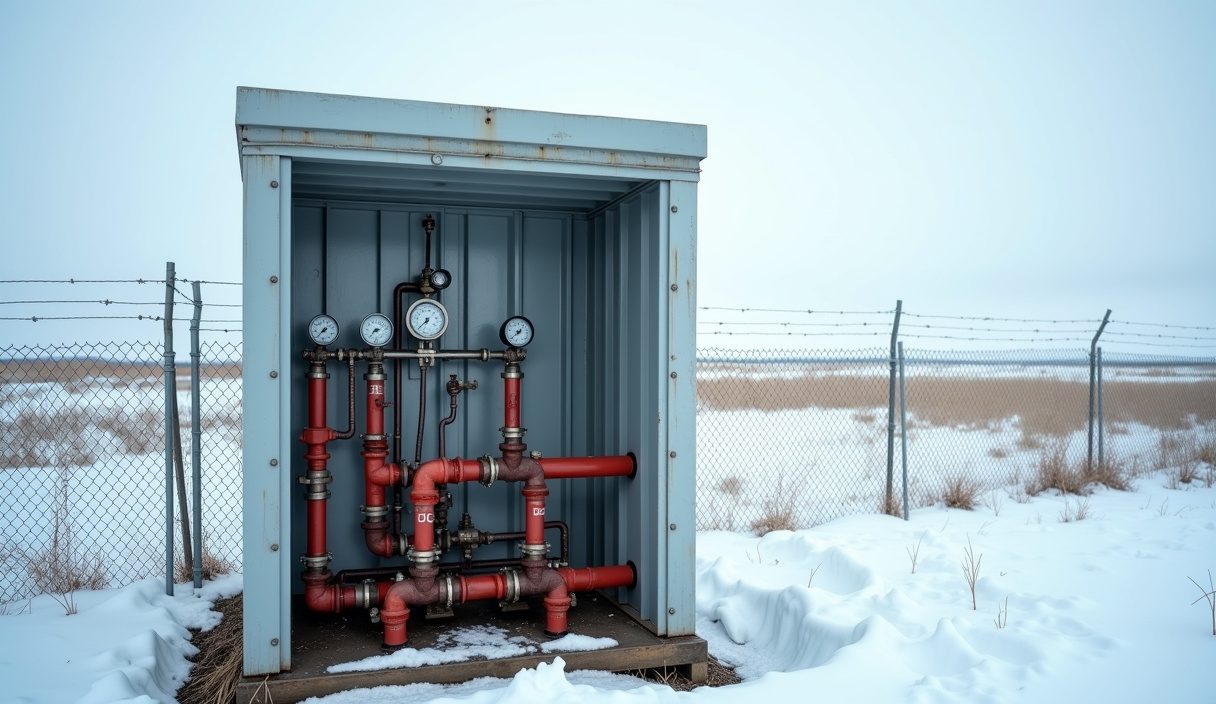
If you have ever had a load turned away at a disposal facility, the reason was very likely classification. A disposal well in Alberta is licensed to receive particular kinds of fluid and to inject into a particular zone, and the operator cannot make an exception for a load that falls outside that, however reasonable the request seems.
This guide explains the class system, what each class may receive, and what that means practically when you turn up at the gate.
Verify before you rely on this. Classification requirements sit in Alberta Energy Regulator directives, principally Directive 051 for injection and disposal wells and Directive 058 for oilfield waste management. Those documents are revised from time to time. Treat this page as orientation and confirm the current requirement with the AER or the facility.
The class of a disposal well describes two linked things: what may be injected and where it may go. It is not a quality rating. A Class Ib well is not "better" than a Class II well; they are licensed for different purposes and the difference is a legal one, not a ranking.
The classification is attached to the well licence and to the facility approval. An operator cannot decide on the day to accept something outside it, and the reporting that follows every load is what makes that verifiable after the fact.
Class Ia covers disposal of hazardous industrial waste into a deep formation. These are the most tightly controlled and are uncommon. If you are in routine upstream production, you are very unlikely to be dealing with one.
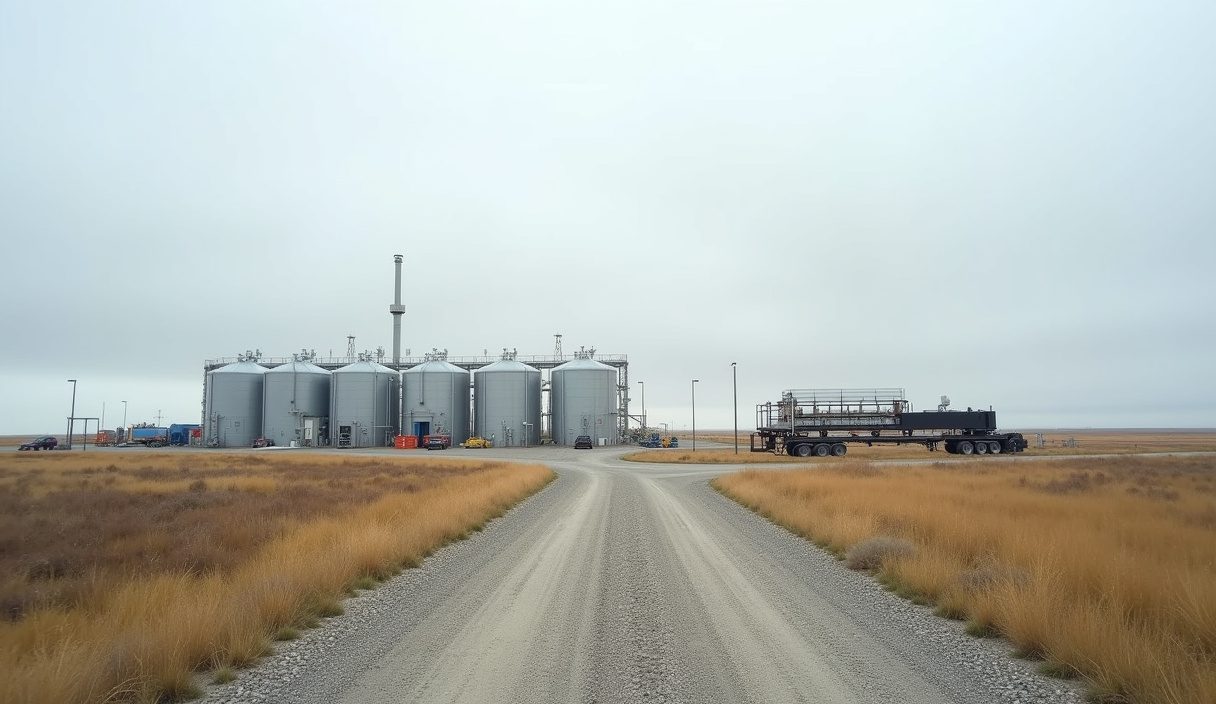
Class Ib covers disposal of non-hazardous industrial waste and oilfield waste into a deep formation. This is the class used by facilities that take a broader range of oilfield waste streams than produced water alone, which is why waste management facilities with receiving and treating capability are frequently built around a Class Ib well.
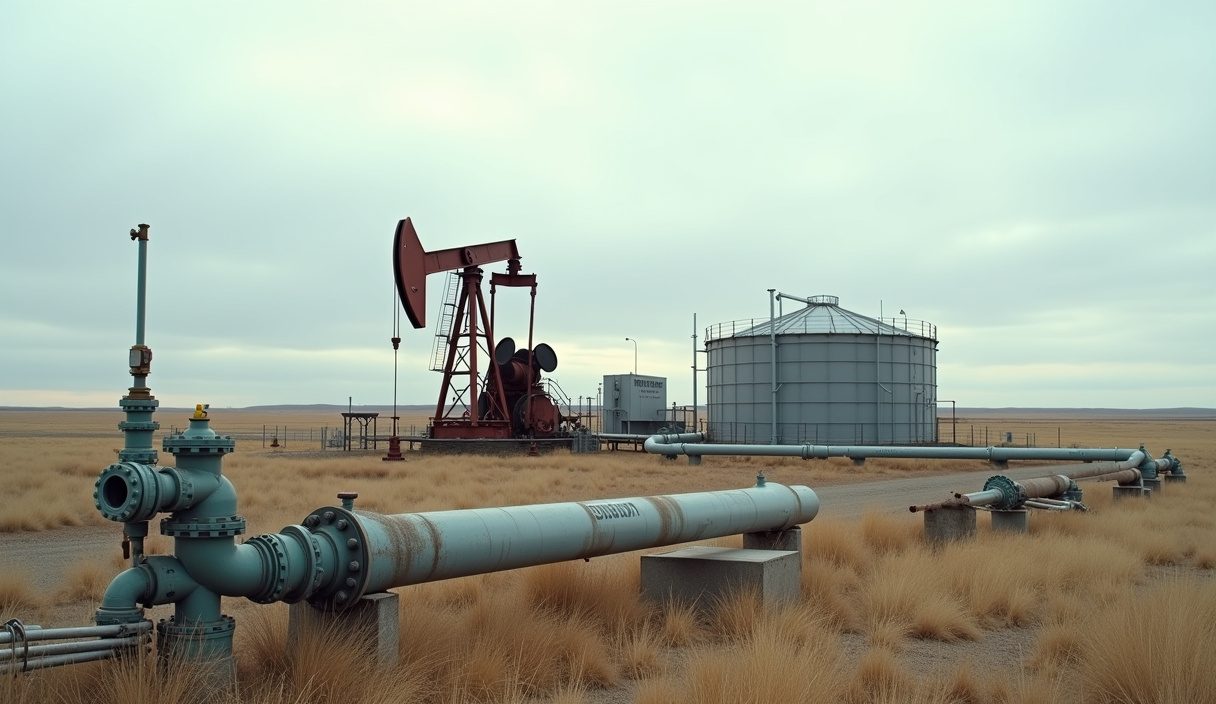
Class II is the workhorse: disposal of produced water and other oilfield fluids into a porous and permeable formation, typically a depleted hydrocarbon-bearing zone or a deep saline aquifer. The large majority of produced water disposed of in Alberta goes down a Class II well.
Class III relates to disposal associated with mineral extraction, such as solution mining operations. It rarely concerns upstream oil and gas operators.
The practical distinction most operators encounter is between Class II and Class Ib. A Class II well is for oilfield fluid, predominantly produced water. A Class Ib facility can handle a wider set of oilfield waste, including material that has been through a treating and separation process at the facility before the liquid fraction is injected.
From the facility's point of view, accepting a load outside its approval is a compliance failure with real consequences, so the gate check is not negotiable. Typical rejection reasons:
The most avoidable of these is the second. A load of clean produced water is straightforward and cheap. The same water with an unidentified drum tipped into it becomes a problem load, and the cost of sorting that out is far higher than the cost of disposing of the drum properly in the first place. See our waste segregation guide.
The engineering point of a disposal well is containment: the injected fluid must go into the intended zone and stay there, with no path to shallower formations or to groundwater. That drives the construction and monitoring requirements.
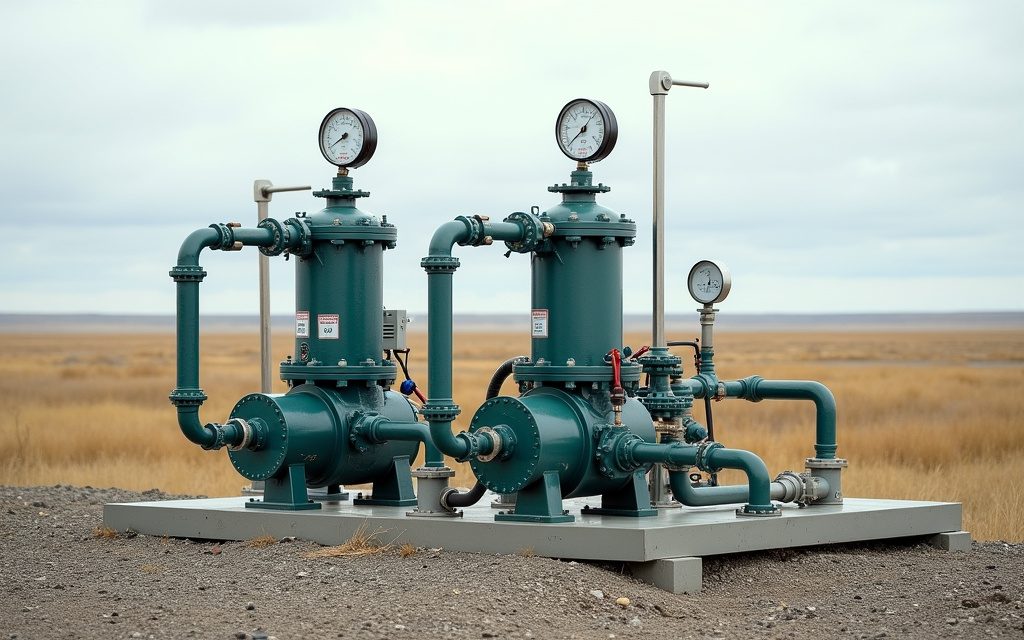
In broad terms, a disposal well is expected to have cemented casing isolating the injection zone from everything above it, with the cement verified by logging; a packer and tubing arrangement so that injection takes place through tubing rather than against the casing; and an annulus that can be monitored, because a change in annulus pressure is the early warning that something has lost integrity.
Ongoing obligations typically include periodic mechanical integrity testing, injection pressure limits set so that the formation is not fractured, and regular reporting of volumes and pressures. The specifics, including test intervals and acceptance criteria, are set out in the directives and are exactly the sort of detail that changes between revisions, so check the current version.
Changing what a well is licensed to receive is an application to the regulator, not an operational decision, and it may require additional facility infrastructure for receiving, treating and testing. It happens, but it is a project rather than a form.
Ask the facility directly and ask to see the approval. A facility that is reluctant to tell you what it is licensed to receive is telling you something useful. Approval and licence information is also held by the AER.
Typically it is sampled and measured at receiving, offloaded to storage, passed through separation and treating to remove free hydrocarbon and solids, then injected. The recovered oil has value and is usually credited or sold; the solids go to a separate handling path.
Induced seismicity associated with fluid injection is a real and documented phenomenon, more commonly linked in Alberta to hydraulic fracturing than to produced water disposal, though disposal-induced events are recognised elsewhere. The AER operates monitoring and response requirements in designated areas. If you operate a disposal well, check whether your location falls within one.
For the difference between disposal and injection for enhanced recovery, see that guide. For the wider regulatory framework, see our Alberta regulatory overview. Nothing on this page is legal or compliance advice.
Both push water down a wellbore. One is sweeping oil toward a producer, the other is getting rid of a waste stream, and they are licensed and reported differently.
Which directives apply to what, how the paperwork chain works from manifest to injection record, and where operators most often come unstuck.
Where the water comes up from, what is dissolved in it, and the specific reasons it cannot be put on the ground or into a creek.